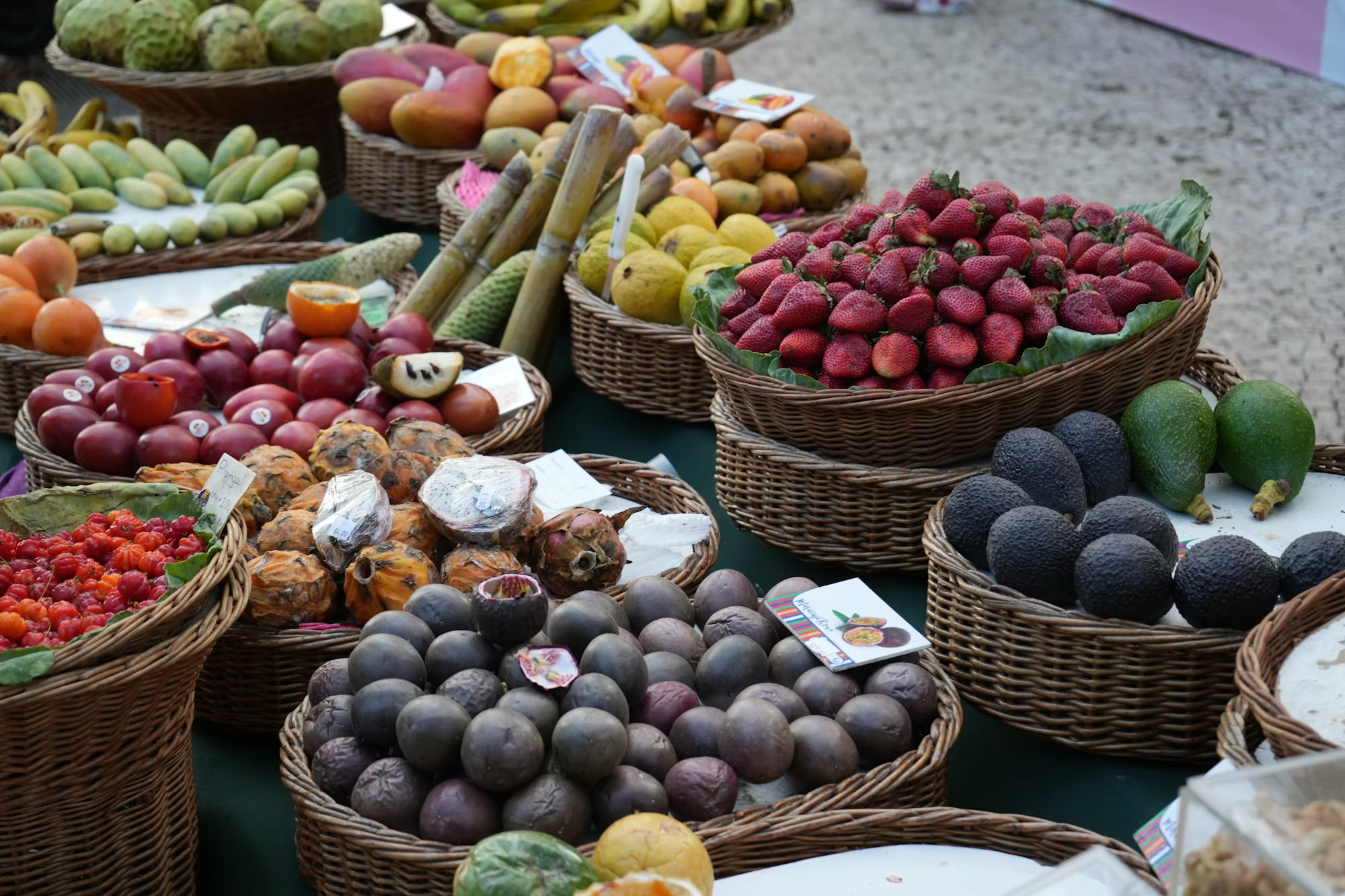
The Art of Cooking with Seasonal Ingredients

Cooking with seasonal ingredients is not just a culinary choice; it’s an art that enhances flavors, promotes sustainability, and connects us to the rhythms of nature. By understanding the benefits of using ingredients at their peak freshness, we can create dishes that are not only delicious but also nutritious and environmentally friendly. This article delves into the various aspects of seasonal cooking, from understanding seasonal produce to incorporating them into delightful meals.

Seasonal ingredients are those that are harvested at specific times of the year. The beauty of using seasonal produce lies in its flavor. When fruits and vegetables are allowed to ripen in their natural growing conditions, they develop more robust flavors compared to those that are shipped long distances. For example, tomatoes picked in late summer are sweet and juicy, bursting with flavor, while out-of-season tomatoes can often taste bland and watery. This principle applies to a wide variety of produce, from vibrant strawberries in spring to hearty pumpkins in fall.

One of the significant advantages of cooking with seasonal ingredients is their nutritional value. Fruits and vegetables that are in season are often fresher and have higher nutrient content. This is particularly true for vitamins and minerals, which can degrade over time during transport and storage. By focusing on what’s in season, we not only enjoy better flavors but also maximize the health benefits of our meals. For instance, spring greens are rich in vitamins A and C, while root vegetables in winter are packed with fiber and essential nutrients, making them perfect for hearty dishes.

In addition to flavor and nutrition, seasonal cooking encourages us to engage with local farmers and communities. Many farmers’ markets offer a range of seasonal produce, allowing us to support local agriculture. This connection not only helps our local economy but also fosters a sense of community. When we buy from local farmers, we gain insight into their farming practices and the unique challenges they face, which can deepen our appreciation for the food on our plates.

Moreover, cooking seasonally aligns with the concept of sustainability. By choosing ingredients that are in season and grown locally, we reduce our carbon footprint associated with transporting food over long distances. This practice encourages biodiversity and helps preserve local ecosystems. For example, consuming seasonal foods can lead to more sustainable farming practices, as it encourages farmers to grow a variety of crops instead of relying on monocultures.

To effectively incorporate seasonal ingredients into our cooking, it’s helpful to familiarize ourselves with a seasonal produce calendar. These calendars highlight which fruits and vegetables are at their peak during each season. For example, in spring, we can look forward to asparagus, peas, and radishes, while summer brings an abundance of tomatoes, zucchini, and berries. Fall introduces squash, apples, and pears, and winter provides us with hearty greens and root vegetables. Understanding this calendar helps us plan meals and make the most of what’s available.

When preparing meals with seasonal ingredients, simplicity is often key. Fresh produce shines best when treated with respect and care. A summer tomato can be celebrated in a simple salad with fresh basil, olive oil, and a sprinkle of salt. Fall root vegetables can be roasted with herbs to highlight their natural sweetness. By letting the ingredients take center stage, we can create meals that are not only delicious but also allow us to savor the essence of the season.

Another great technique for cooking with seasonal ingredients is to experiment with preservation methods. When you have an abundance of seasonal produce, consider canning, pickling, or freezing to enjoy those flavors year-round. For instance, summer berries can be turned into jams or sauces, while excess tomatoes can be canned for use in winter soups and sauces. These methods not only help reduce food waste but also extend the enjoyment of seasonal flavors throughout the year.

Pairing seasonal ingredients with complementary flavors is also a fun way to elevate dishes. For example, pairing sweet summer corn with fresh herbs like cilantro or basil can create a refreshing summer salad. In the fall, combining apples with cinnamon and nutmeg brings warmth and comfort to desserts and side dishes. These flavor pairings not only enhance the dish but also celebrate the ingredients’ natural characteristics.

Incorporating seasonal ingredients into our cooking also opens up opportunities for creativity in the kitchen. Experimenting with new recipes can lead to delightful surprises. Trying out a new vegetable or fruit can inspire us to create unique dishes that highlight their flavors. For example, using ripe peaches in savory dishes, such as grilled chicken salads or salsas, can add a delightful twist to traditional recipes. The key is to be adventurous and embrace the changing seasons as an opportunity for culinary exploration.

Ultimately, cooking with seasonal ingredients fosters a deeper connection to food, nature, and our communities. It allows us to appreciate the rich tapestry of flavors that each season offers while encouraging healthier eating habits and sustainable practices. By choosing to cook seasonally, we not only nourish our bodies but also contribute to a more sustainable and vibrant food system.

In conclusion, the art of cooking with seasonal ingredients is a celebration of nature’s bounty. By focusing on what’s fresh and local, we enhance the flavors and nutritional value of our meals while supporting our communities and the environment. Embracing this practice allows us to enjoy the richness of each season, making our culinary experiences more meaningful and delightful. So, whether it’s a vibrant summer salad or a warm winter stew, let the seasons inspire your cooking and savor the delicious possibilities they bring.

Burgers Around the World: A Culinary Exploration of Global Variations

The humble burger has transformed from a simple sandwich into a global icon, celebrated in various forms and flavors across continents. Each region brings its unique twist, incorporating local ingredients and culinary traditions. This article explores the fascinating variations of burgers around the world, highlighting how cultural influences shape the burger experience. Originating in the United States, the classic hamburger remains the quintessential representation of this beloved dish. Made with a juicy ground beef patty, served in a soft bun with standard toppings like lettuce, tomato, onion, and pickles, the classic hamburger has won the hearts of many. Whether enjoyed at a backyard barbecue or a fast-food joint, this version serves as the foundation upon which countless adaptations have been built. As burgers spread globally, they began to take on local flavors and ingredients. In Mexico, the taco burger emerged, blending the flavors of traditional tacos with the beloved burger format. This creative fusion often features a beef patty topped with salsa, guacamole, and cheese, all served on a soft bun. The taco burger celebrates the vibrant flavors of Mexican cuisine while offering a familiar structure for those who love burgers. Moving to Asia, the teriyaki burger is a popular choice in Japan. Grilled or fried chicken or beef patties are glazed with sweet teriyaki sauce, creating a delectable balance of savory and sweet. Often topped with fresh vegetables like lettuce and cucumber, the teriyaki burger reflects the Japanese culinary philosophy of harmony and balance. Another delightful Asian variation is the Korean bulgogi burger, featuring marinated beef that is grilled to perfection. The bulgogi patty is often topped with kimchi and spicy gochujang sauce, adding layers of flavor and heat. This burger beautifully illustrates how traditional Korean ingredients can be seamlessly integrated into a global favorite. In Australia, the burger scene boasts the iconic “Aussie burger,” which takes the classic to new heights. This version typically includes a beef patty, fried egg, beetroot, and pineapple, along with the usual toppings. The inclusion of beetroot adds a unique sweetness and earthiness that distinguishes the Aussie burger from others. Additionally, the fried egg creates a rich, creamy texture, making each bite a delightful experience. Europe has its own unique takes on the burger as well. In Germany, the traditional “frikadelle” is a seasoned meat patty often served in a bun. The frikadelle can be made from various meats, including pork and beef, and is typically accompanied by mustard and pickles. This variation captures the essence of German comfort food, showcasing hearty flavors and simple ingredients. In the UK, the “bangers and mash burger” has gained popularity, combining the classic British dish of sausages and mashed potatoes with the burger format. This creative adaptation features a sausage patty, often topped with onion gravy and creamy mashed potatoes, creating a hearty meal that celebrates British culinary traditions. Meanwhile, in Italy, the “panino” takes center stage. While not a burger in the traditional sense, the panino features grilled meats, cheeses, and vegetables tucked inside a ciabatta or focaccia bun. This Italian twist highlights the use of high-quality ingredients and flavors that characterize Italian cuisine, making it a delightful option for burger enthusiasts. The Middle East also offers unique variations of the burger. The “kebap burger” features spiced ground meat, often lamb or beef, served on a bun with fresh vegetables and sauces. This burger showcases the rich flavors of Middle Eastern spices and herbs, inviting diners to enjoy a taste of the region in a familiar format. As the popularity of burgers continues to rise, chefs around the world are experimenting with gourmet ingredients and innovative techniques. The concept of the gourmet burger has taken off, with high-end restaurants crafting elaborate versions that include truffle aioli, artisanal cheeses, and unique toppings. These gourmet burgers often focus on quality ingredients, presenting a more refined dining experience that showcases the culinary artistry of the chef. The rise of food trucks and casual dining has also contributed to the burger revolution, with vendors offering creative and diverse options. Many food trucks specialize in unique burger creations that reflect regional flavors and ingredients. From spicy jalapeño burgers to loaded BBQ burgers topped with onion rings and coleslaw, the variety available encourages diners to explore new flavors. This trend has made gourmet burgers accessible to a broader audience, allowing food lovers to indulge in creative combinations without breaking the bank. As the burger continues to evolve, plant-based options have gained popularity among those seeking healthier alternatives. Restaurants and home cooks are now crafting delicious veggie burgers made from black beans, lentils, and other plant-based ingredients. These burgers provide a satisfying and nutritious alternative to traditional meat patties, appealing to both vegetarians and meat-eaters alike. The increasing demand for plant-based options has sparked creativity in the kitchen, with chefs experimenting with spices and toppings to enhance the flavor and texture of veggie burgers. The global burger phenomenon illustrates how a simple dish can transcend borders, adapting to local cultures and culinary traditions. Each variation offers a glimpse into the unique flavors and ingredients of its region, showcasing the versatility of burgers as a beloved comfort food. As we embrace these diverse interpretations of the classic burger, we celebrate not only the dish itself but also the cultural exchange that happens when flavors collide. In conclusion, the burger has become a canvas for culinary creativity, with global variations that reflect the rich tapestry of world cuisines. From the classic hamburger to the gourmet creations and cultural adaptations, the burger has evolved into a dish that continues to inspire and delight. Whether enjoyed at a local diner, a high-end restaurant, or a food truck, each burger tells a story of innovation, tradition, and the joy of sharing a meal. So the next time you bite into a burger, consider the journey it has taken to reach your plate and savor the diverse flavors that make it truly special.

Exploring the Art of Fermentation: A Journey into Flavor and Health

Fermentation is an age-old technique that has transformed the way we preserve and enhance food. From tangy sauerkraut to creamy yogurt, fermentation not only extends the shelf life of food but also enriches its flavors and nutritional content. This article will explore the fascinating world of fermentation, discussing its history, the science behind the process, essential techniques, and a variety of recipes that can inspire both novice and seasoned cooks to embrace this culinary art. The roots of fermentation stretch back thousands of years, with evidence suggesting that it was practiced by ancient civilizations such as the Egyptians, Chinese, and Greeks. These cultures recognized that the fermentation process could enhance the flavor and safety of food, leading to a diverse array of preserved products. As a result, fermented foods became staples in many diets, contributing to culinary traditions around the globe. Fermentation is primarily driven by microorganisms, such as bacteria, yeast, and molds, which break down sugars and starches into acids, gases, or alcohol. This process not only preserves food but also creates unique flavors and textures that cannot be achieved through other cooking methods. For example, when cabbage is fermented, beneficial lactic acid bacteria convert sugars into lactic acid, giving rise to the tangy flavor of sauerkraut. In yogurt, the fermentation process produces a creamy texture and a slight tartness, resulting from the action of specific bacteria. Understanding the science of fermentation is crucial for successful home fermentation. The environment in which fermentation occurs plays a significant role in determining the outcome. Factors such as temperature, pH, and salt concentration influence the growth of beneficial microorganisms while inhibiting harmful ones. Generally, a warm, stable environment encourages fermentation, while cooler temperatures can slow the process. Salt is also a key ingredient in many fermentation recipes, as it helps draw out moisture from vegetables, creating an environment that promotes the growth of good bacteria while preventing spoilage. One of the most accessible forms of fermentation for home cooks is vegetable fermentation. Simple recipes like pickles or kimchi can be easily prepared at home, requiring just a few ingredients and minimal equipment. For pickling, cucumbers can be submerged in a brine made of water, vinegar, salt, and spices. Allowing the cucumbers to ferment for several days or weeks results in a crunchy, flavorful treat that can brighten up sandwiches or serve as a delightful snack. Kimchi, a staple in Korean cuisine, involves fermenting Napa cabbage and radishes with a mix of spices, garlic, and ginger. The result is a spicy, tangy dish that can be enjoyed on its own or incorporated into a variety of meals. Another popular method of fermentation is dairy fermentation, which includes yogurt, cheese, and kefir. Making yogurt at home requires just two ingredients: milk and a starter culture containing live active cultures. The process involves heating the milk, cooling it down, and adding the starter. After incubating for several hours, the milk transforms into creamy yogurt, ready to be enjoyed plain or with fruit and honey. Kefir, a fermented milk drink, is made using kefir grains that contain a combination of bacteria and yeasts. This probiotic-rich beverage can be sipped on its own or used in smoothies, salad dressings, and baked goods. Fermentation is not limited to vegetables and dairy; it extends to grains and legumes as well. Sourdough bread, for example, relies on the natural fermentation of flour and water to develop its unique flavor and texture. The process begins by creating a sourdough starter, which is a mixture of flour and water that captures wild yeast and bacteria from the environment. Once the starter is active, it can be used to leaven bread, resulting in a loaf with a delightful tang and a chewy crust. Similarly, fermentation can enhance the nutritional value of legumes. Soaking and fermenting beans can improve digestibility and increase the bioavailability of nutrients, making them easier to absorb. Recipes such as fermented bean dips or miso paste highlight the benefits of incorporating fermented legumes into your diet. As the popularity of fermentation continues to grow, many chefs and home cooks are experimenting with innovative ways to incorporate these flavors into their dishes. For instance, fermented sauces, like miso or tamari, can add depth to soups, marinades, and dressings. Experimenting with fermented fruits, such as pineapple or mango, can yield vibrant chutneys and salsas that elevate grilled meats or tacos. One of the most exciting aspects of fermentation is its potential for creativity. Home cooks can customize their ferments by adjusting spices, herbs, and flavorings to suit their tastes. For example, adding garlic, dill, or chili flakes to vegetable ferments can create unique flavor profiles. The journey of fermentation can also become a communal experience. Hosting a fermentation workshop or gathering friends for a pickling party can foster creativity and connection. Sharing the process of making kimchi or experimenting with new flavor combinations can create lasting memories and introduce others to the joys of fermentation. Beyond its culinary benefits, fermentation offers a host of health advantages. Fermented foods are rich in probiotics, which are beneficial bacteria that can support gut health and digestion. These probiotics may help balance the gut microbiome, enhancing overall well-being. Additionally, the fermentation process can increase the bioavailability of certain nutrients, making them more accessible to the body. For those looking to incorporate more fermented foods into their diet, it is essential to start slowly and gradually increase consumption. While fermented foods can be incredibly beneficial, some individuals may experience digestive discomfort if they consume large quantities too quickly. By introducing these foods into meals mindfully, you can enjoy their benefits while allowing your body to adjust. In conclusion, fermentation is a remarkable process that not only enhances the flavor and shelf life of food but also promotes health and creativity in the kitchen. From its rich historical roots to its modern applications, fermentation invites us to explore new flavors and techniques. Whether you’re making your own yogurt, pickling vegetables, or experimenting with sourdough bread, the art of fermentation can open up a world of culinary possibilities. So gather your ingredients, embrace the process, and embark on a flavorful journey into the wonderful world of fermentation.

Juice Trends: The Future of Refreshing Beverages

The juice industry has undergone a remarkable transformation in recent years, evolving from traditional fruit drinks to a vibrant sector characterized by innovative flavors and health-focused formulations. As consumers become increasingly health-conscious, the demand for fresh, nutritious beverages continues to rise, leading to exciting trends that reflect changing lifestyles and preferences. This article examines the latest trends in the juice industry, highlighting the key innovations and consumer behaviors shaping the future of refreshing beverages.

The Shift Towards Health and Wellness
One of the most significant trends in the juice industry is the shift toward health and wellness. Consumers are now more aware of the nutritional value of what they consume and are actively seeking products that support their health goals. This shift has led to an increase in the popularity of cold-pressed juices, which retain more nutrients than traditionally processed juices. Cold-pressing involves crushing and pressing fruits and vegetables to extract their juice without heat, preserving the vitamins, minerals, and enzymes that contribute to overall health.

In response to this growing demand, many juice brands are focusing on incorporating superfoods into their products. Ingredients like kale, spirulina, ginger, and turmeric are being added to juices for their purported health benefits. These superfoods not only enhance the nutritional profile of juices but also cater to specific health concerns, such as inflammation and digestive health. As a result, consumers are increasingly drawn to juices that promise both refreshment and wellness, creating a new category of functional beverages.

Innovative Flavor Combinations
As the market for juices becomes more competitive, brands are experimenting with unique flavor combinations to attract consumers. Traditional fruit juices are being reimagined with unexpected ingredients, resulting in exciting new products. For example, the combination of beet and apple has gained popularity for its earthy sweetness and vibrant color. Similarly, juices that blend citrus with herbs, such as mint or basil, offer refreshing alternatives that appeal to adventurous palates.

Additionally, tropical flavors are making a strong comeback. Juices featuring mango, passion fruit, and dragon fruit not only deliver exotic tastes but also transport consumers to far-off destinations, making them perfect for summer sipping. Brands are also incorporating global influences into their flavor profiles, drawing inspiration from various culinary traditions to create juices that are as culturally rich as they are flavorful. This trend reflects a broader consumer interest in diverse and authentic experiences, even in their beverage choices.

Sustainability in the Juice Industry
Another crucial trend reshaping the juice industry is the increasing emphasis on sustainability. As consumers become more environmentally conscious, they are seeking brands that align with their values. Many juice companies are taking steps to minimize their environmental impact by sourcing ingredients locally and using organic produce whenever possible. This not only supports local farmers but also reduces the carbon footprint associated with transportation.

In addition to sustainable sourcing, many brands are prioritizing eco-friendly packaging. Innovations such as biodegradable bottles and recyclable materials are becoming more common, allowing consumers to enjoy their favorite juices while reducing waste. Brands that communicate their commitment to sustainability are likely to resonate with consumers who prioritize ethical and environmentally friendly practices.

The Role of Technology
Technology is playing an increasingly important role in the juice industry, from production to marketing. Advances in juicing technology have allowed brands to create more efficient processes, ensuring that fresh juices are available to consumers at a lower cost. High-tech juicing machines can extract more juice with minimal waste, contributing to overall sustainability.

Moreover, technology is enhancing the way brands connect with consumers. Social media and online marketing have become essential tools for juice companies to reach their target audience. Engaging content, such as recipe ideas and health tips, helps brands build a loyal following while educating consumers about the benefits of their products. This direct line of communication fosters a sense of community among health-conscious consumers, further driving the trend toward fresh, nutritious juices.

At-Home Juicing: A Growing Trend
As consumers become more interested in health and wellness, many are turning to at-home juicing as a way to control their intake of fresh ingredients. Investing in a home juicer allows individuals to experiment with flavors and create personalized blends that cater to their specific tastes and dietary needs. The accessibility of recipes and tips online has also made at-home juicing more appealing, as people can easily learn how to create their favorite juices.

At-home juicing not only empowers individuals to take charge of their nutrition but also allows them to save money in the long run. By purchasing whole fruits and vegetables in bulk, consumers can create a variety of juices at a fraction of the cost of store-bought options. This trend is particularly popular among families looking for healthy alternatives to sugary drinks, as homemade juices can be tailored to be both delicious and nutritious.

The Social Aspect of Juicing
Juicing has also become a social activity, with juice bars and cafes sprouting up in urban areas. These establishments offer a place for health enthusiasts to gather, share recipes, and enjoy fresh beverages together. Many juice bars host workshops and tastings, providing customers with opportunities to learn more about the health benefits of various ingredients and discover new flavors.

Additionally, social media has played a significant role in the rise of juice culture. Platforms like Instagram and TikTok have become popular venues for sharing visually appealing juice recipes and tips, inspiring a new generation of health-conscious consumers. The vibrant colors and artistic presentation of juices make them highly shareable, contributing to a growing community centered around health and wellness.

Conclusion
The juice industry is undergoing a transformation, fueled by consumer demand for health-focused, innovative beverages. From the rise of cold-pressed juices to unique flavor combinations and sustainable practices, the future of juice is bright and exciting. As consumers continue to prioritize their health and seek refreshing options that align with their values, the juice market is poised for continued growth and evolution. Whether enjoyed on the go or crafted at home, juice remains a delicious and nutritious way to hydrate and nourish the body, reflecting the changing landscape of the beverage industry.

Exploring Global Cuisine: A Culinary Adventure

Cuisine is a reflection of culture, history, and geography, offering a rich tapestry of flavors, ingredients, and cooking techniques that vary widely around the world. From the spicy streets of Bangkok to the rustic kitchens of Tuscany, the culinary arts connect people through shared experiences and cherished traditions. In this article, we will delve into several global cuisines, highlighting their unique characteristics, iconic dishes, and the cultural significance behind them.

Asian Cuisine: A Symphony of Flavors
Asian cuisine is incredibly diverse, encompassing a vast range of flavors, textures, and cooking methods. Each region offers its own unique dishes that reflect the local ingredients and cultural heritage. For instance, in Thailand, the vibrant street food scene features dishes like Pad Thai, a stir-fried noodle dish that combines sweet, sour, and savory flavors, often garnished with peanuts and lime. Another beloved Thai dish is Tom Yum, a hot and sour soup packed with fresh herbs, shrimp, and spices that awaken the palate.

Japanese cuisine, known for its precision and artistry, highlights fresh ingredients and beautiful presentation. Sushi, perhaps the most famous Japanese dish, consists of vinegared rice paired with various toppings, including raw fish, vegetables, and seaweed. Ramen, a noodle soup that has gained worldwide popularity, showcases the depth of flavor achieved through slow-cooked broths and an array of toppings. The simplicity of a well-crafted bowl of miso soup or a delicate matcha tea also exemplifies the Japanese philosophy of appreciating the natural taste of ingredients.

Mediterranean Cuisine: A Celebration of Freshness
Mediterranean cuisine, encompassing countries like Italy, Greece, and Spain, is celebrated for its emphasis on fresh, high-quality ingredients and vibrant flavors. Olive oil, herbs, and vegetables are staples, forming the foundation of many dishes. In Italy, pasta dishes such as spaghetti aglio e olio highlight the beauty of simplicity, with just a few ingredients coming together to create something truly delicious. The iconic pizza, originating from Naples, features a thin crust topped with tomatoes, mozzarella, and fresh basil, showcasing the importance of fresh ingredients.

Greek cuisine boasts dishes like moussaka, a layered casserole made with eggplant, minced meat, and béchamel sauce, while tzatziki, a refreshing yogurt and cucumber dip, complements many meals. In Spain, tapas culture encourages sharing small plates, allowing diners to experience a variety of flavors. Dishes like patatas bravas, fried potatoes with spicy tomato sauce, and gambas al ajillo, garlic shrimp, showcase the bold and vibrant flavors of Spanish cooking.

Middle Eastern Cuisine: A Rich Tapestry of Tastes
Middle Eastern cuisine is characterized by its use of spices, herbs, and aromatic ingredients. Countries like Lebanon, Turkey, and Iran offer an array of flavors that reflect their rich cultural histories. Hummus, a creamy dip made from blended chickpeas, tahini, lemon juice, and garlic, is a staple in many Middle Eastern meals, often served with warm pita bread. Falafel, deep-fried balls made from ground chickpeas and herbs, provide a delightful crunch and are a popular street food.

Kebabs, marinated meat skewers grilled to perfection, come in various forms across the region, with each country putting its own spin on the dish. In Turkey, döner kebab features meat cooked on a vertical rotisserie, while Iran boasts its own version, known as kebab koobideh, made from ground meat and spices. Persian rice dishes, such as saffron-infused tahdig, highlight the importance of rice in Iranian cuisine, often served alongside stews that burst with flavor.

Latin American Cuisine: A Flavorful Fusion
Latin American cuisine is a vibrant blend of indigenous ingredients and cultural influences from Europe, Africa, and Asia. Countries like Mexico, Brazil, and Argentina showcase a rich diversity of flavors and cooking methods. In Mexico, dishes like tacos and enchiladas highlight the versatility of corn tortillas, filled with an array of ingredients, from spicy meats to fresh vegetables, and topped with salsas that range from mild to fiery.

Argentinian cuisine is famous for its grilled meats, particularly asado, a traditional barbecue that brings family and friends together. The use of chimichurri sauce, a vibrant blend of herbs, garlic, and vinegar, adds a flavorful kick to grilled dishes. Brazilian cuisine, on the other hand, features feijoada, a hearty black bean stew with pork, reflecting the country’s rich culinary history.

African Cuisine: A Tapestry of Traditions
African cuisine is incredibly diverse, reflecting the continent’s various cultures and climates. From North Africa’s tagines to West Africa’s jollof rice, each dish tells a story of its origins. In Morocco, tagine, a slow-cooked stew named after the earthenware pot in which it is prepared, features tender meats, vegetables, and fragrant spices like cumin and saffron, creating a rich and aromatic dish.

In West Africa, jollof rice is a beloved party dish, made with rice cooked in a spicy tomato sauce and often accompanied by chicken or fish. This dish has sparked friendly rivalries between countries, each claiming to have the best recipe. Injera, a sourdough flatbread from Ethiopia, serves as both a plate and utensil, often served with a variety of spicy stews known as wats.

The Sweet Side of Global Cuisine
No exploration of global cuisine would be complete without mentioning desserts, which offer a sweet finale to meals. Each region boasts its own traditional sweets that reflect local ingredients and culinary traditions. In France, pastries like macarons and éclairs showcase the artistry of French baking, while crème brûlée delights with its creamy custard and caramelized sugar crust.

Italian desserts such as tiramisu and panna cotta offer a rich and indulgent end to a meal, often featuring coffee or fresh fruits. In Asia, sweets like mochi, a chewy rice cake, and mango sticky rice, combine textures and flavors that are uniquely satisfying. Middle Eastern desserts, such as baklava, layers of filo pastry filled with nuts and honey, provide a sweet and crunchy treat that is hard to resist.

Culinary Techniques: The Heart of Cooking
Understanding the techniques behind cooking is essential to mastering any cuisine. Different cultures employ various methods, from grilling and steaming to braising and baking, each contributing to the unique flavors and textures of the dishes. For instance, stir-frying, a quick cooking method used in Asian cuisine, retains the crispness of vegetables while infusing them with bold flavors from sauces and spices.

In contrast, slow-cooking methods, such as braising, are often employed in Mediterranean and Middle Eastern dishes, allowing flavors to meld and develop richness over time. Grilling, a popular technique in Latin American and African cuisines, imparts a smoky flavor that enhances the natural taste of meats and vegetables.

Conclusion: A Global Culinary Journey
Exploring global cuisine is not just about tasting different foods; it’s about understanding the cultural stories behind each dish. Every recipe carries with it the history and traditions of its people, connecting us through shared flavors and experiences. Whether you’re savoring a bowl of ramen in Japan or enjoying a plate of pasta in Italy, each bite is a reminder of the beauty of culinary diversity.

As we continue to explore and appreciate the vast array of global cuisines, we foster a greater understanding of the world and its people. Embrace the flavors, techniques, and traditions that shape our culinary landscape, and let each meal be an opportunity to celebrate the art of cooking.

Savoring Tradition: The Art of Regional Cuisines

Culinary traditions serve as a reflection of a culture’s history, geography, and lifestyle. Each region of the world boasts its own distinct flavors and techniques, shaped by local ingredients and cultural influences. This article takes you on a journey through various regional cuisines, showcasing their unique dishes, cooking methods, and the rich stories behind them.

We begin in the rolling hills of Tuscany, Italy, where food is more than sustenance; it’s a way of life. Tuscan cuisine is known for its emphasis on simplicity and high-quality ingredients. Olive oil, fresh vegetables, and hearty grains form the foundation of many dishes. The famous ribollita, a rustic soup made from stale bread, vegetables, and beans, exemplifies the Tuscan philosophy of using what is available and minimizing waste. This dish, often enjoyed with a drizzle of extra virgin olive oil, reflects the region’s agrarian roots and the importance of communal meals.

Traveling south to Sicily, we discover a vibrant fusion of flavors influenced by centuries of history. Sicilian cuisine is a tapestry of Mediterranean influences, featuring seafood, citrus, and a variety of spices. Dishes like caponata—a sweet and sour eggplant dish—showcase the island’s agricultural bounty. Pasta alla Norma, made with eggplant and ricotta salata, exemplifies how simple ingredients can come together to create something truly remarkable. The use of fresh herbs and seasonal produce is central to Sicilian cooking, making every meal a celebration of the local harvest.

Across the Mediterranean, we find ourselves in the bustling markets of Morocco, where fragrant spices fill the air. Moroccan cuisine is known for its complex flavor profiles, often combining sweet and savory elements. Tagine, a slow-cooked stew named after the earthenware pot it’s cooked in, is a staple dish that varies by region. Ingredients such as lamb, apricots, and almonds create a rich tapestry of flavors, reflecting the country’s diverse cultural influences. Couscous, often served alongside tagine, is another key component of Moroccan meals, symbolizing hospitality and community.

Heading east, we delve into the culinary traditions of India, a land of vibrant spices and regional diversity. Indian cuisine varies dramatically across its many states, each offering unique dishes that showcase local ingredients. From the creamy butter chicken of North India to the spicy seafood curries of the South, every dish tells a story. Spices are the heart of Indian cooking, with combinations like garam masala elevating flavors and aromas. Dishes are often accompanied by rice or bread, creating a satisfying meal that fosters togetherness.

In contrast, the flavors of East Asia offer a different culinary perspective. Chinese cuisine, rich in history and diversity, showcases regional specialties that vary dramatically across the country. From the delicate flavors of Cantonese dim sum to the bold spices of Szechuan cooking, the spectrum of Chinese food is vast. The art of balancing flavors—sweet, sour, salty, bitter, and umami—defines Chinese culinary philosophy. Techniques such as stir-frying and steaming are commonly used, allowing for quick preparation that preserves the freshness of ingredients.

Japanese cuisine, on the other hand, emphasizes simplicity and seasonal ingredients. The philosophy of kaiseki, a traditional multi-course meal, highlights the beauty of presentation and the balance of flavors. Sushi, perhaps Japan’s most famous export, showcases the skill of the chef in selecting and preparing the freshest fish and perfectly seasoned rice. Each bite of sushi is a testament to the artistry and precision that define Japanese cooking, where aesthetics and taste go hand in hand.

As we move to Southeast Asia, Thai cuisine captivates with its bold flavors and harmonious balance. The combination of sweet, sour, salty, and spicy elements creates a unique culinary experience. Dishes like Pad Thai and green curry exemplify the richness of Thai ingredients, often enhanced with fresh herbs like basil and cilantro. Street food culture thrives in Thailand, with vibrant markets offering a plethora of snacks and meals that reflect the country’s culinary creativity. Eating in Thailand is as much about the experience as it is about the food, with communal dining being a key aspect of their culture.

In the Americas, regional cuisines tell stories of indigenous ingredients and colonial influences. Mexican cuisine, for example, is known for its vibrant flavors and diverse dishes. Tacos, enchiladas, and mole are not only delicious but also hold cultural significance, representing the rich heritage of the Mexican people. Ingredients like corn, beans, and chiles are staples that form the basis of many traditional dishes, showcasing the importance of agriculture in Mexican culture.

South America offers a culinary adventure of its own, with countries like Peru gaining international acclaim for their innovative cuisine. Peruvian food is a fusion of indigenous ingredients and culinary techniques brought by immigrants from Europe and Asia. Ceviche, a dish of raw fish marinated in citrus, exemplifies the freshness of Peruvian cuisine, highlighting the country’s rich coastal resources. The use of quinoa, potatoes, and a variety of chili peppers showcases the incredible biodiversity of the region, making Peruvian food a vibrant and exciting culinary experience.

In Europe, the culinary traditions of France and Spain deserve special mention. French cuisine is synonymous with refinement and technique, emphasizing the importance of high-quality ingredients and meticulous preparation. Classic dishes like coq au vin and ratatouille reflect the depth of French culinary tradition, while pastries such as croissants and macarons showcase the artistry of baking. Meals in France are often leisurely affairs, emphasizing the joy of dining and the pleasures of conversation.

Spanish cuisine, with its diverse regional influences, offers a rich tapestry of flavors and techniques. Tapas, small dishes meant for sharing, encourage social dining and highlight the variety of ingredients found across Spain. Paella, a beloved rice dish from Valencia, showcases the importance of saffron and seafood in Spanish cooking. Each region contributes its own unique ingredients and flavors, making Spanish cuisine a delightful exploration of culinary diversity.

As we savor the dishes from these regions, we must also acknowledge the various cooking methods that enhance their flavors. Techniques such as grilling, roasting, and braising allow ingredients to shine while infusing them with unique characteristics. Grilling, for example, is a popular method that adds a smoky flavor to meats and vegetables, while roasting intensifies the sweetness of root vegetables. Each cooking method reflects cultural preferences and local resources, further enriching the culinary experience.

In addition to traditional meals, the rise of special diets has influenced how we approach food. Vegan, vegetarian, and gluten-free options have become more prevalent, catering to a diverse range of lifestyles and health considerations. Vegan cuisine, for instance, showcases the creativity and versatility of plant-based ingredients, resulting in innovative dishes that appeal to all palates. From hearty vegetable curries to decadent desserts made with alternative ingredients, vegan cooking emphasizes abundance and sustainability.

Snacks and desserts also play a significant role in regional cuisines, offering delightful complements to meals. Snack foods vary widely, with options like chips, nuts, and pastries found in nearly every culture. Street food, often considered a type of snack, provides a unique opportunity to experience local flavors in an informal setting. Desserts, on the other hand, are a celebration of sweetness, with cakes, pastries, and confections that highlight the best of a region’s culinary traditions. In Italy, for example, gelato is a beloved treat, while in Mexico, churros dipped in chocolate are a favorite indulgence.

Beverages are equally important in enhancing the dining experience, with coffee, tea, and alcoholic drinks often accompanying meals. In Italy, a strong espresso serves as a ritualistic conclusion to lunch or dinner, while in Japan, green tea is a staple that reflects the country’s deep appreciation for nature and simplicity. Wine and cocktails can elevate a meal, with each region producing unique offerings that pair beautifully with local dishes, enriching the overall experience.

In conclusion, the exploration of regional cuisines reveals the incredible diversity and creativity that characterize human culinary expression. Each dish, ingredient, and technique tells a story, connecting us to the culture and traditions from which they originate. As we embrace this culinary diversity, we not only celebrate the flavors of the world but also foster a greater appreciation for the artistry and passion that go into creating these unforgettable meals. Whether it’s a simple street food snack or an elaborate multi-course dinner, the joy of food continues to unite us all.

Farm-to-Table Restaurants: The Future of Sustainable Dining

In an era of growing concern for the environment, sustainability has become a key factor in shaping consumer behavior, particularly when it comes to food. One of the most influential trends in the restaurant industry in recent years has been the rise of farm-to-table dining. This concept emphasizes sourcing ingredients directly from local farms, ensuring that meals are not only fresh and high quality but also environmentally responsible. The farm-to-table movement has not only transformed the way people view food but has also helped support local agriculture, reduce carbon footprints, and promote healthier eating habits.

What Is Farm-to-Table Dining?

Farm-to-table dining is a restaurant philosophy that prioritizes the use of locally sourced, fresh ingredients in every dish. The core idea is simple: food is sourced directly from farms (often within a certain radius of the restaurant), rather than relying on mass-produced or pre-packaged ingredients that travel long distances. This direct connection between the farm and the table ensures that dishes are made with the freshest seasonal produce, meats, dairy, and other ingredients available. The menu at a farm-to-table restaurant typically changes regularly, reflecting what is in season and available from local growers and producers.

The farm-to-table movement is more than just a food trend; it represents a shift toward a more sustainable and ethical approach to dining. By focusing on local, seasonal ingredients, farm-to-table restaurants help support regional agriculture, reduce the environmental impact associated with long-distance food transportation, and promote more sustainable farming practices. Additionally, these restaurants often work closely with local farmers and food producers, fostering a sense of community and collaboration that benefits everyone involved.

The Rise of the Farm-to-Table Movement

While the farm-to-table philosophy has its roots in traditional agricultural practices, it has grown significantly in popularity over the past two decades. This growth can be attributed to several key factors, including increasing awareness of environmental issues, rising consumer demand for fresh and healthy food, and a growing interest in supporting local businesses.

– Environmental Awareness: As global concerns about climate change and environmental sustainability have gained traction, many consumers have become more conscious of how their food choices impact the planet. The farm-to-table model aligns with these values by reducing the carbon footprint associated with transporting food over long distances. By supporting local farmers and producers, farm-to-table restaurants help minimize the environmental impact of food production and distribution.

– Health Consciousness: Consumers today are more health-conscious than ever before. There is a growing demand for food that is not only nutritious but also free from artificial additives, preservatives, and hormones. Farm-to-table restaurants meet this demand by focusing on fresh, organic, and minimally processed ingredients that are naturally rich in nutrients. Many of these restaurants also prioritize sustainable and humane farming practices, offering meats and dairy products that are free from antibiotics and hormones.

– Support for Local Farmers: One of the central tenets of the farm-to-table movement is the emphasis on supporting local agriculture. By purchasing ingredients from nearby farmers, these restaurants help keep money within the community and promote the growth of local economies. This direct relationship between restaurants and farmers also allows chefs to access unique, high-quality ingredients that are not available through traditional food distributors.

The Benefits of Farm-to-Table Dining

The farm-to-table approach offers numerous benefits to consumers, restaurants, and communities. Below are some of the most important advantages of this dining philosophy:

– Freshness and Quality: The freshness of ingredients used in farm-to-table restaurants is one of the main selling points. Because ingredients are sourced directly from farms, they are typically harvested at their peak, ensuring that they are at their most flavorful and nutritious. Whether it’s a perfectly ripe heirloom tomato or a tender cut of grass-fed beef, the quality of ingredients in farm-to-table dishes is often far superior to what is available at conventional restaurants.

– Seasonal Variety: Farm-to-table restaurants typically change their menus based on the seasons, which means diners can experience a constantly evolving variety of dishes. This seasonal rotation encourages a more diverse and balanced diet, as chefs create menus that reflect the availability of fresh, seasonal produce. It also allows diners to experience the best flavors that each season has to offer.

– Sustainability and Reduced Waste: By sourcing ingredients locally, farm-to-table restaurants reduce the need for long-distance food transportation, which helps cut down on fuel consumption and greenhouse gas emissions. Additionally, many farm-to-table restaurants adopt sustainable practices such as composting, recycling, and minimizing food waste. These efforts contribute to a more sustainable dining experience that aligns with the values of environmentally conscious consumers.

– Supporting Local Economies: When diners choose to eat at farm-to-table restaurants, they are directly supporting local farmers, food producers, and artisans. This helps stimulate local economies by keeping money within the community and strengthening the bonds between producers and consumers. Farm-to-table dining encourages a more localized food system, reducing the reliance on large, industrial-scale agriculture and promoting smaller, independent businesses.

– Healthier Food Choices: Farm-to-table dining emphasizes the use of fresh, organic ingredients that are free from synthetic pesticides and fertilizers. For those who are concerned about the nutritional value of their meals, this model offers a healthier option compared to processed or factory-farmed alternatives. Furthermore, because these restaurants often prioritize plant-based dishes and sustainable meat options, they cater to a variety of dietary preferences, including vegan, vegetarian, and gluten-free diets.

Challenges Faced by Farm-to-Table Restaurants

While the farm-to-table movement has grown in popularity, it is not without its challenges. Running a successful farm-to-table restaurant requires careful planning, strong relationships with local farmers, and a commitment to sustainability. Below are some of the key challenges faced by these restaurants:

– Seasonal Availability: One of the main challenges for farm-to-table restaurants is the limited availability of certain ingredients during certain times of the year. Because these restaurants rely on fresh, local produce, the menu must change to reflect what is in season. While this adds variety and excitement to the dining experience, it can also make it difficult for restaurants to offer a consistent menu year-round.

– Higher Costs: Sourcing ingredients locally and sustainably often comes at a higher cost than purchasing from large-scale food distributors. Local farmers may have higher production costs, and specialty or organic ingredients may be more expensive to procure. These increased costs can lead to higher menu prices, which may not be affordable for all customers. Additionally, farm-to-table restaurants must invest in more careful inventory management and storage to ensure that their fresh ingredients are properly handled.

– Supply Chain Challenges: Farm-to-table restaurants depend on a steady supply of fresh ingredients, but this can be difficult to maintain, especially in regions with unpredictable weather conditions or limited farming infrastructure. Restaurants may face supply chain disruptions that prevent them from sourcing the ingredients they need, leading to menu changes or inventory shortages.

Despite these challenges, many farm-to-table restaurants have found creative solutions to ensure their sustainability. Building strong relationships with farmers, using seasonal ingredients, and investing in effective supply chain management can help mitigate some of these issues and allow farm-to-table restaurants to thrive.

The Future of Farm-to-Table Dining

As consumers become more aware of the impact their food choices have on the environment and their health, the demand for farm-to-table dining is expected to continue growing. The farm-to-table model aligns with the broader trends of sustainability, health-conscious eating, and support for local economies, making it a dining philosophy that resonates with modern consumers.

The future of farm-to-table dining also looks promising with the continued rise of technology. As consumers become more accustomed to online ordering and food delivery services, farm-to-table restaurants are finding new ways to reach customers through digital platforms. Many restaurants are offering delivery services that focus on locally sourced ingredients, allowing consumers to enjoy farm-fresh meals at home. Additionally, the use of social media and digital marketing is helping farm-to-table restaurants build a loyal customer base and increase awareness of their sustainable practices.

Conclusion

Farm-to-table restaurants have become an integral part of the modern dining landscape, offering a sustainable, ethical, and health-conscious alternative to traditional restaurant models. By prioritizing local, seasonal ingredients and fostering strong relationships with farmers and food producers, these restaurants provide consumers with fresh, high-quality meals while supporting local economies and reducing environmental impact. As the demand for sustainability and quality continues to rise, farm-to-table dining is poised to play a key role in the future of the restaurant industry.

Exploring the World of Artisan Burgers: From Classic to Creative

The hamburger, a symbol of American fast food culture, has evolved over the years from a simple, quick meal into a gourmet experience enjoyed worldwide. While the classic burger remains a favorite, a new trend has emerged in recent years: the artisan burger. Defined by high-quality ingredients, innovative toppings, and meticulous attention to detail, the artisan burger is transforming the way people think about this iconic dish. In this article, we explore how the artisan burger has become a global phenomenon, how it varies across cultures, and what makes it truly unique.

The Rise of the Artisan Burger

The term ‘artisan’ typically refers to products that are handmade or crafted using traditional methods, often with a focus on quality over mass production. In the world of burgers, this concept has taken on a new meaning. Artisan burgers are characterized by premium ingredients such as locally sourced meats, fresh vegetables, and homemade sauces, as well as a creative approach to toppings and presentation.

What sets artisan burgers apart from traditional fast food burgers is the emphasis on craftsmanship. Chefs and restaurateurs are now treating the burger as a canvas, using it as a platform to showcase their culinary skills and experiment with flavors. This trend has given rise to a new breed of burger joints and food trucks that focus on delivering unique, high-end versions of the classic burger.

At its core, the artisan burger celebrates the marriage of simplicity and sophistication. While the basic concept of a patty in a bun remains intact, the ingredients used to construct these burgers are far from ordinary. From wagyu beef patties to freshly baked brioche buns and house-made condiments, every element of an artisan burger is carefully selected to create a memorable and elevated eating experience.

Ingredients That Make a Difference

When it comes to artisan burgers, quality is paramount. The key ingredients that make up an artisan burger are what set it apart from standard fast food options.

– The Patty: The patty is the heart of any burger, and in the world of artisan burgers, the focus is on high-quality meat. While traditional burgers often use ground beef from mass-produced sources, artisan burgers often feature premium cuts of beef like wagyu, grass-fed beef, or even blends of different meats. Some restaurants take it a step further, offering exotic options like bison or lamb, each providing a unique flavor profile that elevates the burger beyond the typical beef patty.

– The Bun: A good bun can make or break a burger. Artisan burger joints often bake their buns in-house, choosing a soft yet sturdy option that can hold up to the patty and toppings. Brioche buns, with their buttery texture, are a popular choice for their sweetness and richness, while potato buns are known for their softness. For a more unique twist, some places even use pretzel buns or gluten-free options to cater to different dietary needs.

– Toppings and Sauces: The toppings and sauces are where the creativity truly shines in artisan burgers. Traditional toppings like lettuce, tomato, and pickles are often elevated with fresh, locally sourced ingredients. More innovative toppings might include caramelized onions, roasted peppers, sautéed mushrooms, or avocado, each bringing a new layer of flavor and texture.

The sauce is another important element in creating a standout burger. While ketchup and mustard remain staples, artisan burger chefs are experimenting with a variety of homemade condiments. Truffle aioli, spicy sriracha mayo, roasted garlic sauce, and even smoked barbecue sauce are just a few examples of how chefs are adding depth to the flavor profile of their burgers.

– Cheese: While American cheese has long been the standard for cheeseburgers, artisan burgers often feature more sophisticated cheese options. Cheddar, Swiss, and gouda are popular choices, but more adventurous options like blue cheese, brie, or goat cheese are also used to add richness and complexity.

– Additional Elements: For a truly gourmet experience, artisan burgers often feature additional ingredients that push the boundaries of traditional burger toppings. Fried eggs, truffle oil, crispy bacon, and even foie gras are some of the luxurious additions that can take a burger from good to extraordinary. These ingredients are carefully chosen to complement the flavor of the patty without overpowering it.

The Global Influence of Artisan Burgers

While the concept of artisan burgers originated in the United States, the trend has spread around the world, with different regions putting their own spin on this classic dish.

– European Influence: In Europe, the artisan burger trend has taken off in cities like London, Paris, and Berlin. In these cities, burger restaurants often emphasize locally sourced ingredients and pair the burger with regional specialties. In France, for example, you might find a burger made with duck confit and brie cheese, while in Germany, a traditional burger might be paired with sauerkraut and mustard for a distinctly German twist.

– Asian Variations: In Asia, the burger has undergone a transformation that incorporates local flavors and ingredients. In Japan, you can find burgers made with teriyaki-glazed beef patties, while in Korea, a burger might feature a spicy gochujang sauce and kimchi as toppings. These international variations highlight the versatility of the burger and how it can be adapted to reflect different culinary traditions.

– Latin American Influences: In Latin America, burgers are often paired with fresh ingredients like avocado, pickled jalapeños, and tangy salsas. The use of grilled pineapple is also popular in countries like Mexico and Brazil, where the sweetness of the fruit complements the savory beef patty.

These international influences have led to the creation of unique regional burger variations that blend global flavors with the comfort of a classic American burger. Whether it’s a spicy Korean burger, a French-inspired gourmet creation, or a tropical Latin American twist, artisan burgers are constantly evolving to reflect the culinary trends and tastes of different cultures.

The Future of Artisan Burgers

As the artisan burger trend continues to grow, we can expect to see even more innovation in the years to come. With the rise of food trucks, casual dining spots, and pop-up restaurants, chefs have more freedom to experiment with new ingredients and techniques, pushing the boundaries of what a burger can be.

Sustainability and ethical sourcing are also likely to play a larger role in the future of artisan burgers. As consumers become more conscious of the environmental impact of their food choices, many burger joints are focusing on sourcing meat from sustainable farms or offering plant-based alternatives. Beyond just the patty, the entire burger experience, from the buns to the toppings, will likely become more eco-friendly, with many chefs opting for locally grown produce and biodegradable packaging.

As plant-based and lab-grown meats become more prevalent, the demand for gourmet veggie and vegan burgers will also increase. These burgers will continue to evolve, offering delicious, cruelty-free alternatives to traditional meat burgers without sacrificing flavor or creativity.

Conclusion

The artisan burger has come a long way from its fast-food roots, evolving into a sophisticated and diverse culinary experience. Whether it’s a classic beef patty with high-quality toppings or an innovative creation with global flavors, the artisan burger is a testament to the creativity and craftsmanship of chefs around the world. As the trend continues to grow, the future of the burger looks exciting, with new flavors, ingredients, and techniques constantly pushing the boundaries of what a burger can be.